About dental implants
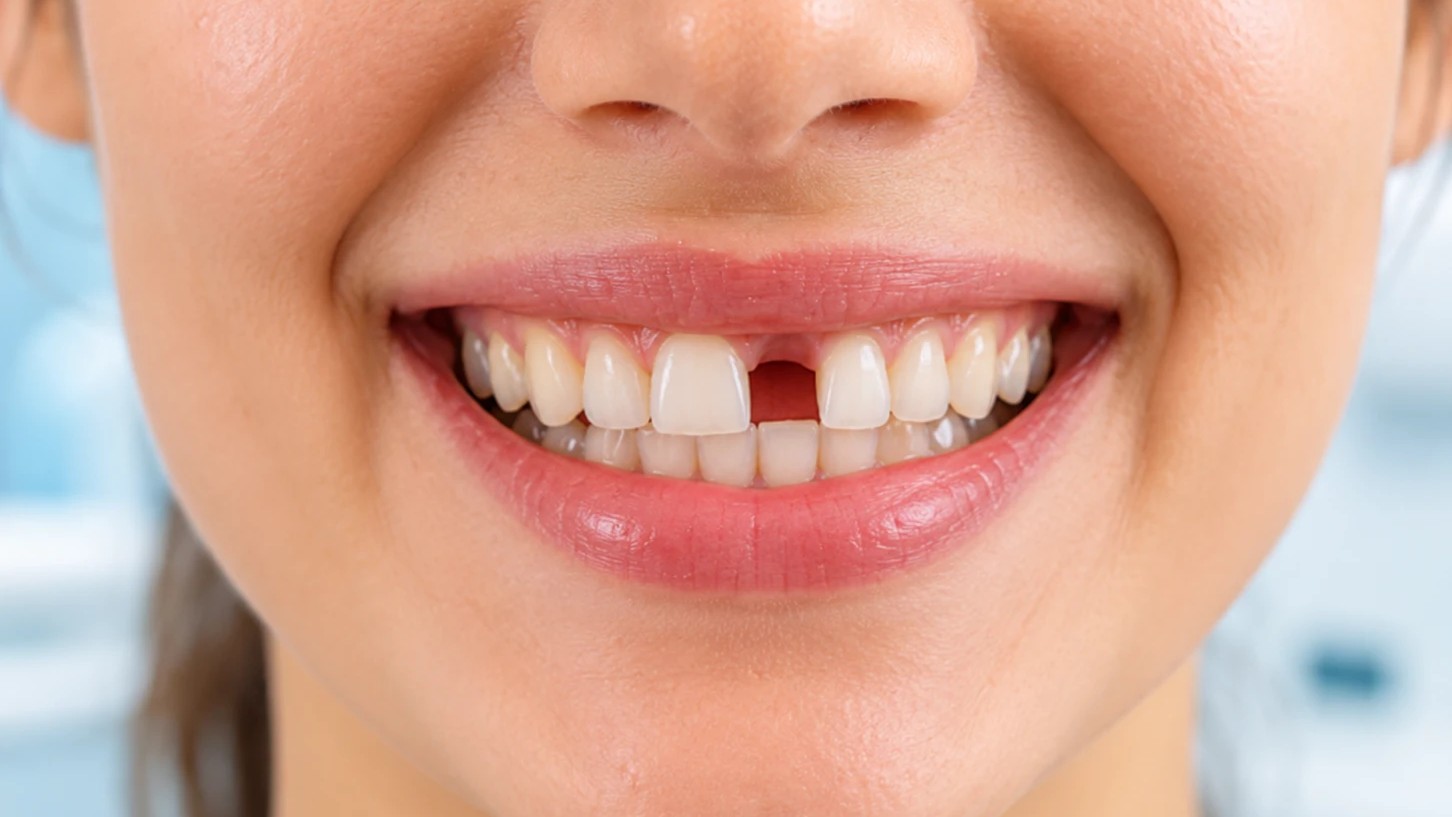
A dental implant is a small titanium post placed in the jaw to act as the root of a replacement tooth. Once it has bonded with the bone, it can hold a crown, support a bridge, or anchor a denture, so that the replacement is fixed firmly in place.
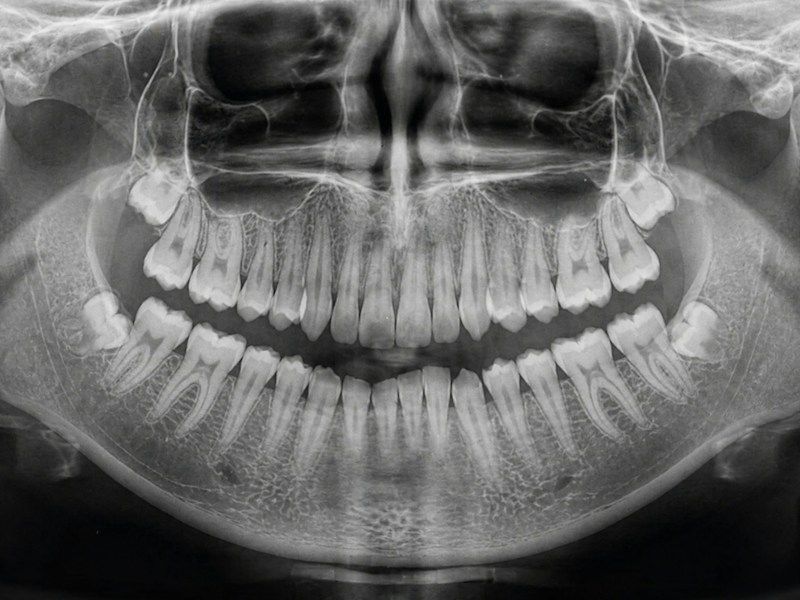
Implants are planned carefully. We use cone beam CT to see your bone and the position of nerves and sinuses in three dimensions, and design the position of the implant from a digital scan. Our registered specialist periodontist places implants at the practice. Implants suit some people and not others, and we assess every case.
Who it can help
- One or more missing teeth
- Patients whose dentures feel loose or uncomfortable
- People who would rather not have a bridge that relies on neighbouring teeth
- Healthy adults with enough bone, or who can have it rebuilt
What happens at your appointment
Consultation and 3D scan
We look at your general and dental health, take a cone beam CT scan and discuss the options, including alternatives.
Preparation
Any needed treatment is done first, such as gum treatment, an extraction or bone grafting. We make a plan with a clear sequence.
Placing the implant
Under local anaesthetic, the implant is placed, guided by your digital plan. It is then left to bond with the bone, which can take some months.
The replacement tooth
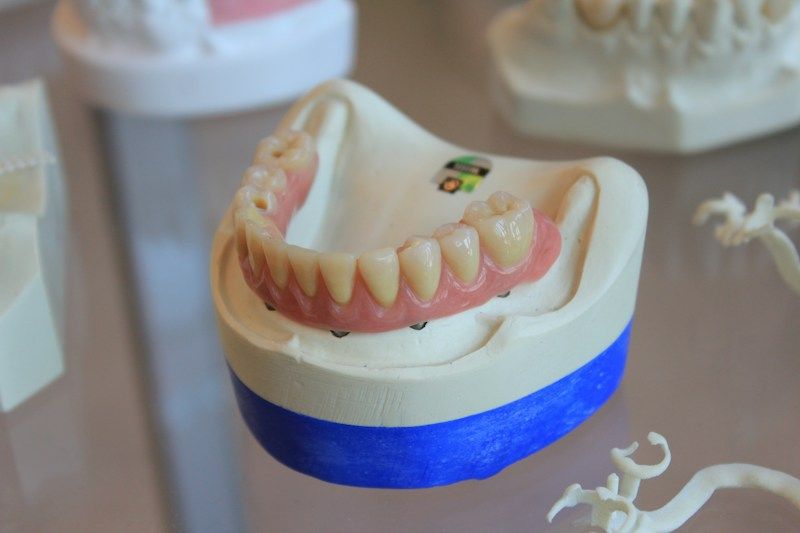
When the implant is ready, we take a digital scan and make the crown, bridge or denture to fit it, and check your bite.
Benefits
- Replaces the root as well as the visible tooth
- Does not rely on neighbouring teeth, unlike a conventional bridge
- Can help hold a loose denture firmly
- Planned with 3D imaging and carried out on site
After your treatment
There is usually some swelling and tenderness for several days. Follow your aftercare instructions, eat soft food at first and keep the area clean. Implants need looking after: thorough cleaning, regular check-ups and avoiding smoking all matter for their long-term health. Longevity varies from person to person.
Questions people ask
Is an implant painful?
The procedure is done under local anaesthetic, so you should not feel pain. Most people feel some tenderness afterwards, which settles over a few days.
How long does the whole process take?
It depends on whether you need extractions or grafting first, and on healing. We give you a timeline at your consultation.
Am I suitable for an implant?
It depends on your health, your bone and your gums. Smoking, uncontrolled diabetes and untreated gum disease can affect success. We assess each case individually.
Provided by our registered specialist periodontist at Isa Family Dental, 70 Camooweal St, Mount Isa.
This page is general information and is not a substitute for a dental examination. What is right for you depends on your own teeth, gums and health, and we will explain your options before any treatment. As with any health treatment, results and risks vary between people.