Digital intra-oral scanning
For decades, taking a model of someone’s teeth meant pressing a tray of setting putty against them and waiting, often with a gag reflex, for it to harden. Many people remember it as the worst part of the visit.
We use a digital intra-oral scanner instead. It is a small wand with a camera that records the shape of your teeth and gums in a minute or two, with nothing to bite into and nothing to taste.
Where scanning is used
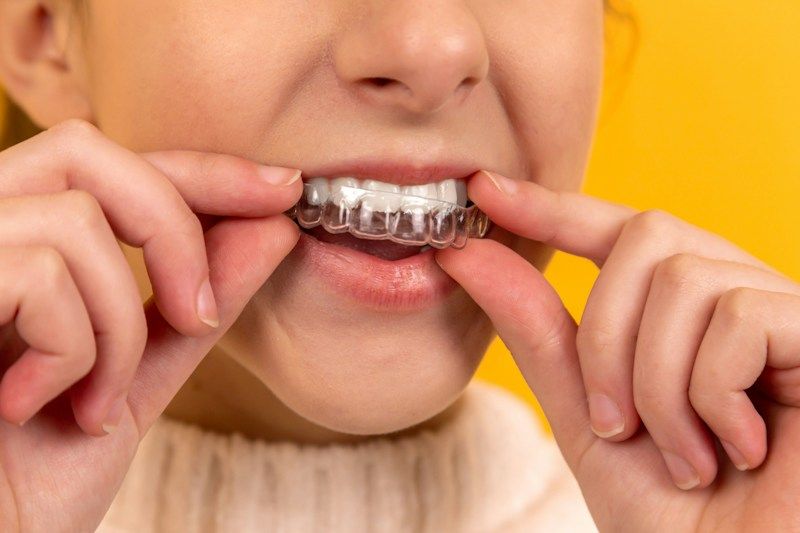
- Custom night guards and sports mouthguards
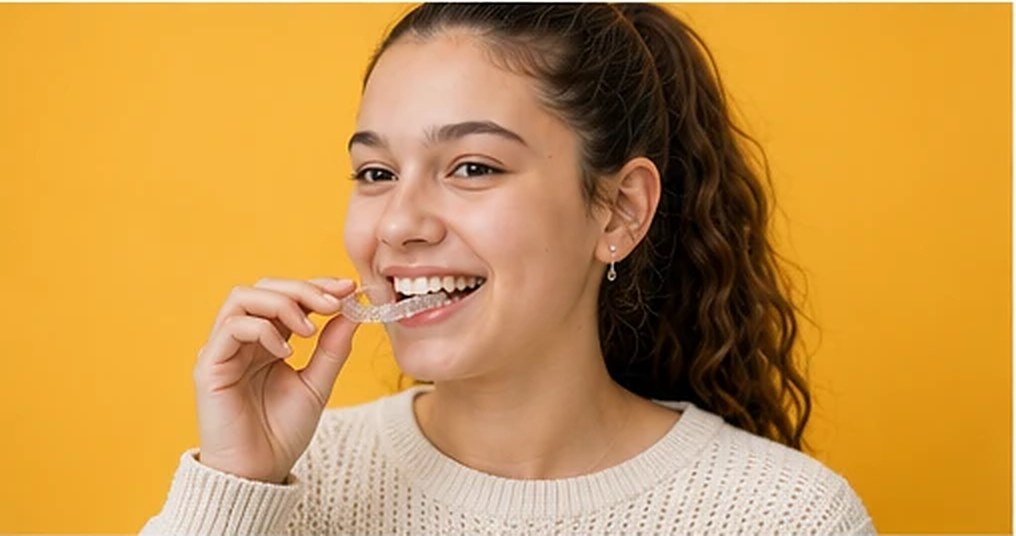
- Clear aligners and the digital plan for moving your teeth
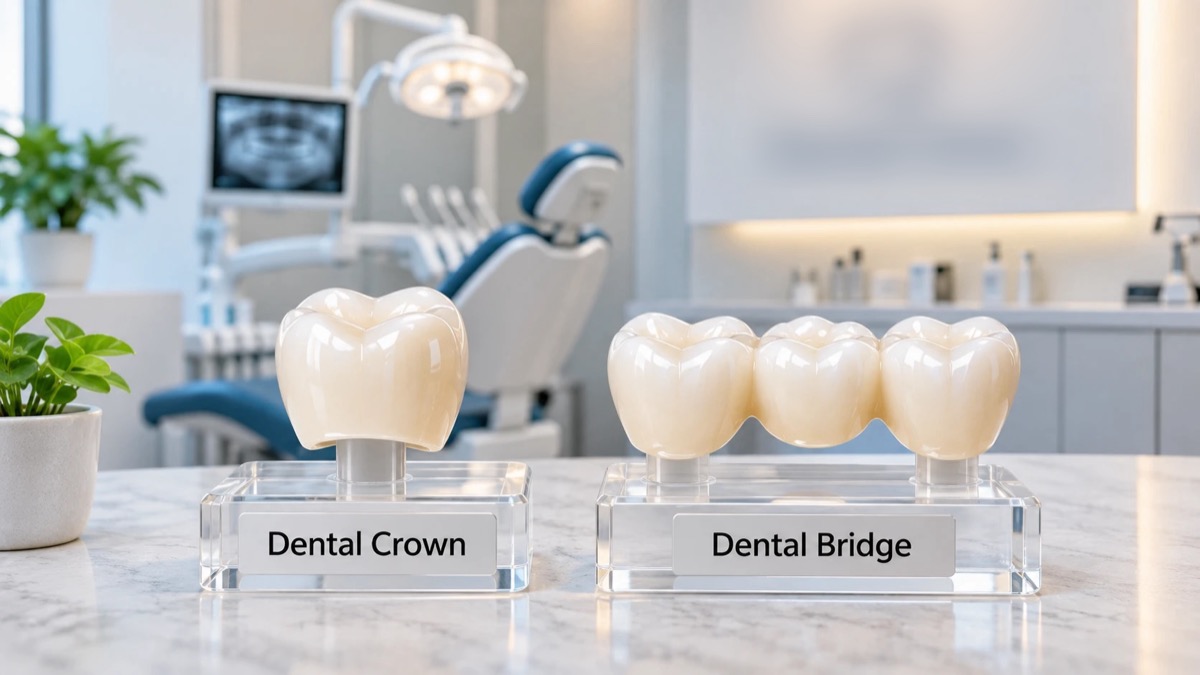
- Crowns, bridges, inlays and onlays
- Implant planning and the replacement teeth made for them
What happens during a scan
No preparation
You do not need to do anything beforehand. We dry the teeth briefly so the camera can see them clearly.
The scan
The wand is passed slowly over your teeth. You can watch the three-dimensional model build on screen.
Checking it together
We review the scan with you, and can rescan any area that is not clear without starting again.
On to design
The digital model goes straight into the design of your guard, aligner or restoration.
What it gives you
- More comfortable than impressions, and no gagging for most people
- Models are stored digitally and can be compared over time
- Accurate records that go straight into the design software
- You can see your own teeth on screen
Questions people ask
Does a scan hurt?
No. The wand is small and the scan does not hurt. If your mouth is sensitive, tell us and we can take a break.
Does it use X-rays?
No. An intra-oral scanner uses a camera and light, not radiation.
Is it as accurate as traditional impressions?
Digital scanning is widely used for many types of dental work. We will tell you if we think a traditional impression is better for a particular case.
This page is general information about how the practice works. Treatment is always planned for you after an examination, and results and risks vary between people.